Wow, it sure has been awhile, huh? I am writing this on January 1, 2025. This piece was finished on January 14th, 2025. I have no idea where this will live or how people will see it. I’d really like for someone to read it, but who is to say if anyone will? I am not really sure of my audience these days, or if I ever had one.
In 2018, I discovered that writing was something I could enjoy and that there were things I loved writing about, namely: comics. I then proceeded to write a high volume of comics criticism from 2018-2020 and gradually declined in output from 2020-2022. In 2023, I believe I published a single piece. 2024 was the first year since I really started writing that I didn’t publish anything. There are many reasons for this, and I’ll get into them pretty thoroughly as I reflect on the last year and look forward to the next.
It’s best to start contextualizing myself in the year 2024 by discussing 2023. The year 2023, or more precisely October 2022 - May 2023 was a particularly bad time for me. In June 2021, I moved to Washington D.C. for my professional career knowing only one other individual in the DMV area. At the time, I had made living arrangements remotely from many states away that led me to believe I would be living in a house with three other people. It turns out, I would be living in a house with five other people. This was the first of a year-long series of miscommunications and struggles against an awful landlord with shady practices and shifting standards. And yet, I wouldn’t trade it for the world because it facilitated a bonding experience with my housemates, some of whom became very dear friends.
After this year-long stint of camaraderie, however, we certainly were not going to endure the living conditions that brought us together any longer and went our separate ways. Some studied abroad, some had the desire to move further into the city, and I chose to move to Virginia to save money. Spaced further apart, having a new roommate at a very different stage of life, and working in a hybrid environment, my comfort with solitude slowly transitioned into a melancholy loneliness for the first time.
Interpersonal relationships have always been difficult for me. All of my friends now describe me as “slow to warm up to people,” and I can’t deny that. I’ve tried to work on it and accept it to an extent. I thrive on passive interactions. The more time I am able to spend in the same room as other people doing separate things, the likelihood of making a connection increases exponentially. After college, opportunities for passive interaction fall off a cliff. At the time, I was playing volleyball regularly, I had at least a couple of friends at work, I tried to make plans as often as possible, but it wasn’t enough. From December 2022 to July 2023, I actually heard a voice in my head that felt real for the first time. It only said one thing, repeatedly and at regular intervals, usually around once every 5 minutes: “You ever just… sad?” This prompted me to seriously consider taking action, and I had two possibilities: I could make a much more intentional effort to make connections where I was or I could move back home where I had plenty of connections and support that I had been maintaining from a distance.
I chose to move home. I committed to this in January 2023 and firmly made arrangements to be fully remote in May 2023. As the machinations of this major life change were underway, a few notable things happened.
First, I had two semi-major health scares. One was my first and only encounter with Covid-19 and it was a particularly bad one. My fever hit 103, and I couldn’t eat solid food for a few days, much less move from my bed, other than to drive myself to urgent care. Shortly after recovering from that, I had to drive myself to the E.R. at 2:00 A.M.for what turned out to be a kidney stone. These two incidents reinforced a lot of my loneliness, as it was terrifying not having any support near me. Of note, because I felt fine and was discharged from the E.R. around 8:00 A.M. that morning after being treated, I went to work that same day, which I now realize was an insane thing to do. In this very low place, I tried reaching out to the people who were closest to me, even if they lived at a distance, and was met with a stark amount of silence. I lost a few friends during this period who I once considered touchstones in my life, and the only thing I have to go on is that I asked for help.
And yet, around all of these issues, I had finally found a volleyball team I connected with composed of people I had begun to call friends. It’s funny how the universe works, because two years into living in the D.C. area, I was finally beginning to form connections, and only after I committed to leaving. Some may suggest this to signify I made the wrong choice, but I don’t think so. The universe works in funny ways, and I think the decision to stay and the decision to leave were ones that left things entirely within my power. It was up to me to turn them into the right choice.
All this was to say that 2023 was a particularly low point followed by a rather intense transition. So going into 2024, I knew I had to take the steps to heal and get my shit together. Without further or do, here we go:
2024
If I had to pin the abstract desire to get better down to three more defined goals, they would probably be the following: To get healthier, to improve my interpersonal connections, and to write more.
When it comes to interpersonal connections… Let's say I’m still working on that one.
In January, I was playing volleyball at least once a week. I like volleyball a lot. It’s a sport that I feel I am athletic enough to do fairly well, it’s easy to identify and keep track of your strengths and weaknesses, it’s an easy way to meet people, and there is a very well-mapped casual-to-serious gradient of play. Unfortunately, the open gym I was regularly attending closed early in the year and hasn’t reopened. When summer arrived, I started playing pickup beach volleyball semi-regularly at the lakefront. I am not nearly as good at sand volleyball as I am at indoor or grass, and I am certainly not athletic at the moment to play twos, but I hopped into fours when I could. I am not sure I ever found my people, but I am interested in returning this summer to keep trying. There is also a potential regular indoor opportunity coming my way in the next few weeks which is very exciting.
I also picked karate back up in January. I don’t remember exactly what year I started karate but estimate that I started around age 10 and stopped when I went to college at 18, having gotten my black belt, put it on my college resume, and little idea about what a different dojo a few states away might entail. Picking it back up meant doing so 6.5 years later at the same, fairly reputable dojo. My instructors let me resume at the black belt level with the understanding that I probably wouldn’t test anytime soon and that I had to be able to handle the classes themselves. The first few weeks were rough, and I was quite out of shape, but it’s remarkable how quickly the body can bounce back. With regular, small amounts of practice at home in between classes, much more came back to me than expected. It’s also interesting how much more aware of my body I am this time around. I feel like as a kid when you’re told to squeeze certain muscle groups and relax others at certain times, you’re just kind of confused and end up being way too tense all the time. As an adult, I have much finer control, so I am able to save a lot of energy and still keep up with the technique. That being said, I still don’t have the cardiovascular endurance I’d like to. That has not rebounded like everything else at all. Part of me wonders if it may be a long-covid thing, but I honestly don’t do enough regular cardio between classes to really know for sure.
Outside of karate, I made the decision to work up to doing 100 sit ups per day. It was a minimum workout I could commit to, and I wanted a strong core over anything else. I started with 10 and worked up to 100 by the end of February. Once I got there, I accomplished 100 sit ups per day about 85% of the remaining days of the year. The days I missed were largely because of traveling and not being in my own space, which I don’t feel too bad about. I also practiced approximately five katas or “forms” around 50% of the days in 2024 and aim to increase that number this year. Additionally since November 1, I have started working up to 100 pushups. The escalation is significantly slower, but I am continuing with the consistency. Finally, I have started incorporating some of Chloe Ting’s Ab Workouts on Youtube after hearing an endorsement from Tobi Lou, a musician I really like and follow closely. They’re quick and they get the job done, so I hope to keep up with those this year as well.
When it comes to writing in 2024, I aimed to bounce back in a big way by writing a novel. I went this route due to a coalescing of a number of factors.
The first was my growing disillusionment with comics and the state of criticism. From 2018 - 2023 I probably read 10 direct market comics a week, and if you know anything about the direct market, there just aren’t that many good comics there. Needless to say I was very burned out and not in the space for a lot of serious critical thinking about an art form I once loved. Even if I was in the right space, however, I’d have nowhere to publish the kinds of writing I wanted to make. As my writing style has evolved, I’ve learned that one of my greatest strengths involves synthesizing thoughts surrounding seemingly unrelated pieces of media under a common theme. Doing this has produced some of my favorite, and my best pieces such as two pieces in PanelxPanel that I can’t link here as well as “Break my Hollow Heart” and an I Walk with Monsters review. Yet, as PanelxPanel entered indefinite hiatus and the violent beast of Search Engine Optimization took over the any remaining comics websites, there were fewer and fewer places that would accept esoteric writings on a comic interspersed with excerpts from a Swedish singer-songwriter or emotional synthesis of thematic through lines between an absurdist 1980s play, a modern comic miniseries, and a Thai anthology television show. But that’s all I really wanted to write. I didn’t have anything I wanted to say about just one thing. Honestly, I still don’t.
Getting people to read your writing and/or criticism also requires a fair amount of social media promotion that I couldn’t stomach any longer. It was always the part of writing I disliked the most, but that I felt I needed to do so that people would read my work. I dislike most forms of social media for a number of reasons. Most of them boil down to the fact that I don’t value a lot of what I or anyone else has to say in an isolated context and condensed to 240 characters as particularly interesting. I grew up with a constant moderate pressure of, “If you don’t have anything interesting to say, best not to say anything at all,” and so that governs my hatred for posting.
On top of that, I thrive in the mode of conversation and struggle everywhere else. I see people having conversations in threads or even within the currents of large, fast-moving discord chats and am often left baffled. Those are just not conversational platforms to me. I like the instantaneous feedback and clear, singular topic a conversation provides. The idea of posting a thought, forgetting about it for minutes/hours/days, reading someone’s reply, and then replying fills me with dread. It’s likely I no longer care about the original thought two minutes after I posted it. I feel the same dread when trying to engage with a particular subject when there are four other conversations happening at once in a popular discord, but I have at least worked to overcome a lot of that.
There’s also the weight of expectation that comes with the rules of engagement of social media. Once the pandemic hit, using social media only as a promotional tool started to feel selfish and bad. Despite a deep desire to broadcast, I put very little significance in my own words on the internet. I’ve always felt that when it comes to real-world issues that really matter, it is always most important to take care of your own, contribute where you can, and speak with your actions. This is how I live. I most often participate and engage at a local level when I do have the bandwidth to organize. Most often, I am in the privileged position where I can afford regular and modest financial contributions to causes I care about. I will also never say no when someone I care about approaches me with an issue they are passionate about and a desire to act. This is how I have lived and will continue to do so. Maybe it isn’t enough, maybe there are better ways, but this is what has always felt right to me.
Some may ask why I bother to return to writing at all if I feel this way, and it really comes down to what writer and software engineer Adolfo Ochagavía pens as the “desire to broadcast”. I share many of the sentiments in the piece, but ultimately, despite all of the aforementioned, I have a need to share. I desperately put my thoughts out into the world as a signal if only to get them out of my head and hopefully to receive replying signals in return. I don’t care about engagement or gains or raw numbers, I really just want the connection and release writing can provide.
And so I tried to return to writing. Comics were out. I have several finished comic scripts from the past and without any form of artist to help realize my vision, I never got the satisfaction and relief that’s supposed to come with finishing a project. That combined with my lack of online presence meant that I just didn’t have it in me to find an artist through the internet, so it was time to switch mediums to a form of writing I could do on my own. Prose is a wide umbrella, which begs the question, “Why strive for its longest form? Why not go for something more manageable like an essay or short story?” It’s quite simple really: I am stubborn, and my inherent strength and nature of synthesis often means that I do not have ideas that are small in scope, nor do I frequently find them interesting.
It was a massive undertaking, and it did not last. I averaged a few hundred words a day for two months and promptly stopped. I got 15000 words out of it, which isn’t nothing, but it certainly isn’t something either. This year, I think I’ve set up a much more attainable and beneficial goal, but its difficulty comes in its abstraction.
I want to make writing natural.
This definitely won’t be as simple as it sounds, but I think it’s the best place to start. Ever since I began to love writing and even do it regularly, it has been a painful process. I hear from peers whose writing flows out of them as uncontrollable as the wind or the tide. Words coming out of me feels akin to physically tearing them from my brain. They are picking scabs. On top of that, if the analogy continues and inspiration is deemed as what initially opens the wound, I’ve learned that my brain is incredibly resilient and forgetful. If I don’t address the wound immediately, pick at it, and start writing something as the wound is created, my brain will begin covering it up almost immediately and forget it as though it never existed.
I have no idea how I am going to address this in a tangible sense, but I am going to start with the following:
I will have low expectations for my output this year, and strive to be less results-oriented in this domain
But I will still strive to finish anything I start
I’m going to actively research some ways to get faster
I’m also going to actively research better ways to take taggable/referenceable notes on things I consume, as they’re the key to keep the inspiration alive beyond the moment
I’m going to try my best to collaborate with other people as often as possible as I get going again.
If anyone is reading this and is on that journey with me, let’s see how it goes!
Now onto the rest of 2024.
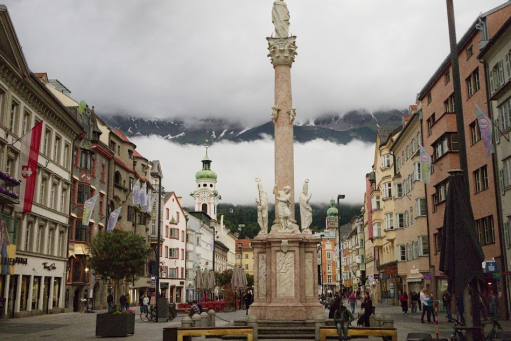
I picked up an unexpected skill this year in photography and photo editing, which I am very excited about. I had the opportunity to travel to Germany for work and got to use some personal leave while I was there. On top of that, I was able to take this trip with a great friend of mine. This was the first extended (more than a long weekend) trip I have taken since I became an adult. I am not much of a solo traveler. I find so much solitary fulfillment in a number of low-cost semi-creative and solitary activities that I can do in my local area that it feels a little wasteful to me to engage in extended travel on my own. In addition, I always want to have the means to drop everything and partake in something a bit more extravagant with friends should the opportunity arise, so I often hesitate to spend a lot of time and financial resources on just myself.
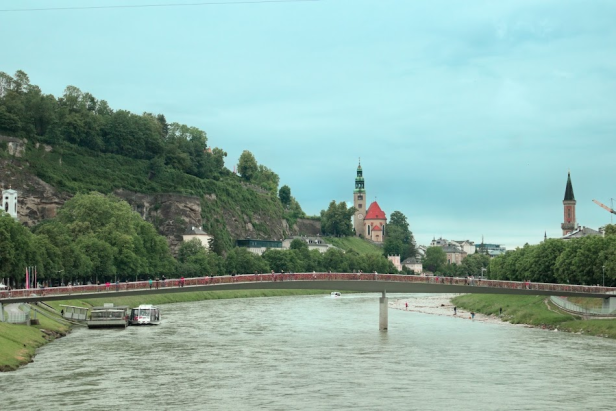
This trip was very special and important to me, and while I often shy away from documenting and photographing most of my life, I decided it’d be a worthwhile investment to make a great effort towards properly capturing this trip as much as I could. I bought a Canon EOS M50 II for a reasonable price and got a few lessons on the basics of photography and compositions from friends who were more entrenched in the hobby. I think my photos drastically improved over the 10 days I was there, and they continue to do so whenever I’ve brought the camera to other events since. After taking the photos, it was time to edit the raw files. I could have approached picking up this skill in a reasonable way. Instead, I chose Darktable as my software of choice because of its open source nature, its ambitious and knowledgeable community, and its pure capability. I then proceeded to watch 87 Youtube videos from Boris Hajdukovic about editing in Darktable over the course of the next four months. This was excessive. The software has changed enough in the last 4+ years that the earlier videos and workflows are irrelevant, but I did pick up a lot and was able to condense everything down to a one-page resource of workflow and settings tips.
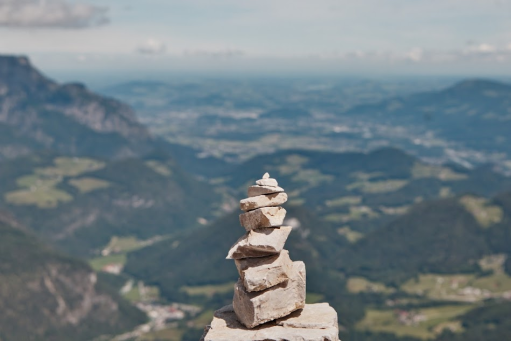
It was now October and my friends had moved on from my trip and the expectation that they’d ever see the photos I promised them, but I was adamant about finishing the goal to edit all of the photos by the end of the year. Over the course of the next three months, I edited 154 photos in Darktable out of the 400 I took. Many were duplicates or of poor quality because they were overexposed, unsteady, poorly framed, etc. This occupied a significant portion of my free time in Q4 2024, and completely overtook anything else I was doing. I definitely got burned out and frustrated at times, but I pushed through, and I am incredibly proud of myself for doing so even if the reason was incredibly arbitrary. As with the photos themselves, I definitely improved as I went, so photos from later days look drastically better than the earlier ones. I still wouldn’t say I am good, per say, but might call myself a novice. One of my biggest takeaways for the future is that the blue-yellow color axis in darktable is an extremely powerful one which is exaggerated in exporting these images to their final jpg form. It’s important to be a lot subtler than I might think when making changes along that axis. The other, and this may seem obvious but is actually applicable to far more than just photography, is that I have to be cognizant about not making decisions in the current photo based on the last photo. One common example is that a lot of my photos are taken on overcast days with very gray skies, and I’d be disappointed by my inability to make the sky a bit bluer. Lo and behold, the next photo would always come out with an entirely oversaturated sky in some misguided overcompensation. I’m going to take a few weeks off in the new year after going so hard for the past couple of months, but I hope to continue improving both photography and photo editing in 2025.
I got into board games in 2024, largely due to attending a few game nights in the first half of the year and then going to Gen Con, the world’s largest board game convention. I particularly reinvigorated my love of train games, specifically Empire Builder crayon rail games. Route and logistics planning really scratches an itch. I did not become a certified Puffing Billy last year, but it is a real possibility this year. I hope to have more game nights and people to play games with in 2025. On the way to Gen Con at about 11:00 P.M., I almost died.
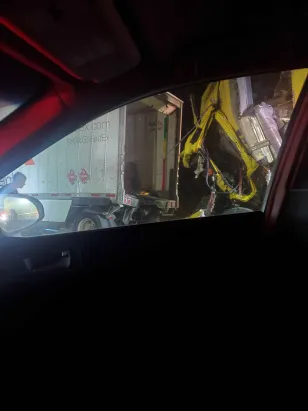
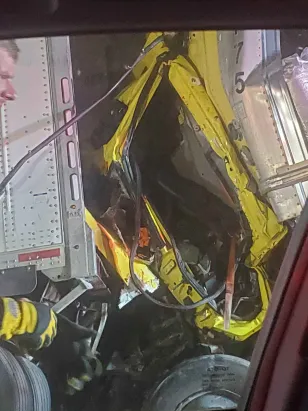
It’s not really something I think I’ve processed, but if you look at the facts, that is what happened. I was driving on a two-lane highway when a semi-truck ran into the back of another semi-truck going at least 60mph in the lane next to me and about 50 feet in front of me. At first, I thought the collision was an explosion as debris flew everywhere in front of my car. By some miracle both myself and the car walked away with barely any scratches, but I was trapped on the road for three hours until 2:00 A.M. while emergency responders had to cut a man out of the truck using the jaws of life directly outside my passenger window. I hope that man is okay. I do not know because it turns out that there are so many car accidents every day and that this one was in a remote enough area that there were zero news stories published on the matter.
Finally I attended the Chicago Film Festival this year. It was my first film festival and one seemingly curated just for me as it featured a tribute of one of my favorite filmmakers Hirokazu Koreeda. I was able to see two of his films and attend the Q&As afterwards as well as view eight other films, some of which became my favorites of the year, in what was truly a singular first-time experience. I hope to attend next year as well.
This is a great opportunity to transition to some of my favorite media of 2024, maybe the reason we are (I am) even here in the first place. Let’s start with
FILM
I watched 133 films this year, and 131 of those films count as 2024 movies. I am a transient fellow when it comes to various artforms, you see. Stay current or bust. In 2022, I watched 155 films and felt that I had largely completed the year. In 2023, I watched 41 films but didn’t track everything nearly as closely due to my various low and transition points throughout the year. In 2024 I watched 131 films with a much more discerning standard than in 2022, so you would think I’d feel pretty good about having seen what the year had to offer. Reader, you are sorely mistaken. I have identified 120 additional films that came out this year as worth seeing. Films that I may like and even love. I know it seems absurd but this year really has been an incredible year for movies. So when I present this list of my favorites, just know that it is incomplete and will change. I also want to praise the works of Jeffrey Zhang and Siddhant Adlakha, two critics whose work I highly admire and who have changed how I approach and think about the film medium.
Honorable Mentions: These are some films I would immediately recommend to people who I think would like them, but will not be expounding my thoughts on them unless prompted to further. There are conveniently 10 of them, so you can essentially equate this full list as my top 20 films of the year
His Three Daughters
Alienoid: Return to the Future
Kill
Cottontail
The Substance
The Shadow Strays
How To Make Millions Before Grandma Dies
Drawing Closer
Didi
Anora
Now let’s move onto my top 10 films of the year. General spoilers to follow:
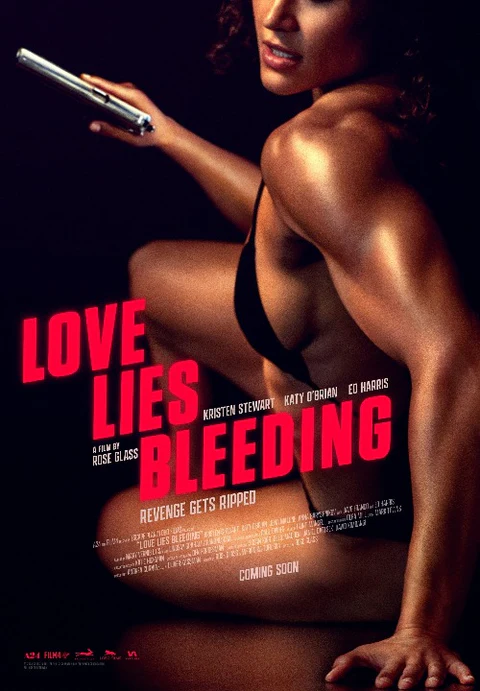
10. Love Lies Bleeding
This movie contains exceptionally sharp and bulbous and defined imagery of concepts that live in my brain as slippery, slimy, and smooth. I so rarely approach any relationship with masculinity or femininity frankly because I do not have to but time and again this movie forces those concepts to the surface of every character's consciousness.
I keep thinking back to the scene of magical realism where Jackie vomits Lou out of her mouth on stage. There's so much that is foreign, that slips against my mind as I am unable to take hold. I may not find the words but this film has and will continue to stick with me.
I think to expound further, this film expertly toes a line between disgust and desire that I didn't know existed. There are two central characters who are rightfully repulsed by all of life around them but feel an intense, magnetic draw toward each other and are often presented in the same desirable light. It’s a film that asks the question, “What makes a monster?”, shows you a lineup of possible answers, and leaves it up to you to decide on the monsters and whether even being a monster needs to come with automatically negative connotations.
I am extremely repulsed by so much of this movie: the corrupt rot at the core of the men in the film, the very idea of staying in an actively hostile place because you have nowhere else to go and the inability to uproot the only other person you love even when they choose to stay in a harmful situation, the lasered-in focus on the injections the bodybuilders are using, the nature of mind and body-altering substances in general. These are ideas that do not merely brush against, but rather act as an irritant, as something I have to think about and address. I am still not done thinking.
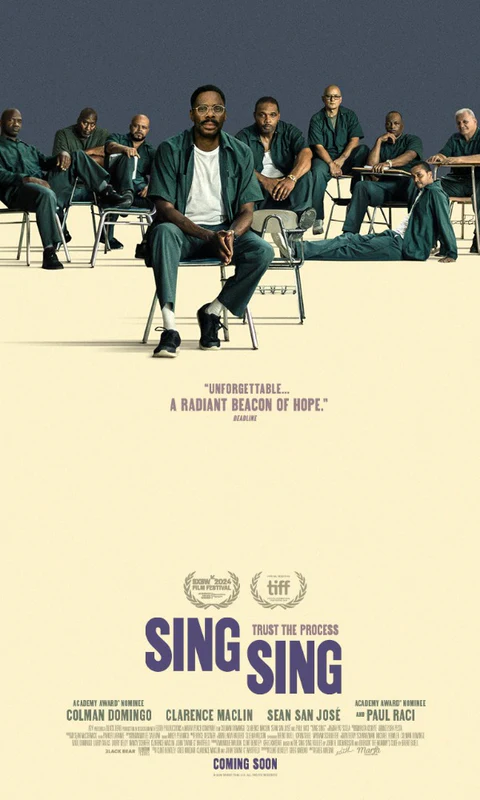
9. Sing Sing
When the world only offers harsh restraint, any space for pure expression becomes sacred. In its millenia of existence, the concept of prison has only recently seen attempts to reframe elements of it under goals of rehabilitation rather than punishment. It’s hardly seen any physical changes either under than the every-so-slightly narrowing its failure to meet the bar of being considered humane. Those who believe in the rehabilitation of even those who have committed very serious crimes should be, and likely are, interested in devising a new system from scratch, while everyone else doesn’t seem interested in pondering why the punitive measures we levy against criminals involve taking away freedoms beyond what is necessary for the sake of the general population’s safety and wellbeing. One such freedom harshly restricted without good reason are the means and spaces to express and to create.
Sing Sing immediately demonstrates the value that freedom provides in showing the waitlist for the Rehabilitation through the Arts Program. Colman Domingo delivers an anchoring performance as Divine G, the leader and champion inmate of the program. It may be difficult to understand how resigned acceptance and stubborn resilience can coexist, but if the latter is something cultivated within the self over the course of years so that it becomes habit, it is easy to perform resilient actions as such even while placing belief in the likely fate of one’s surroundings. This is the position of Divine G and many others in the Rehabilitation through the arts program. He is in prison for a crime he did not commit fighting to prove his innocence and has been for years, but even as he fights tirelessly for his freedom, it’s easy to feel the sense that he’s also grown accepting of his circumstances because of the release Sing Sing provides. And so, this temporary space, a few times a week, transforms into a sacred space, a reprieve from the harsh confines, and a return of the human freedoms of expression and creativity.
As such, the community which creates that space becomes family. Fellow inmates become brothers, and what exists and is created in the confines of the program is also protected. They become each others’ confidants, support, and motivation because they need each other for the art they create and for the survival of their expression.
The ideas shared in that space become values. The acts performed become art.
Now what happens when someone new joins, but rejects the status quo of the same sacred space? At best it’s uncomfortable. At worst it’s a threat. That’s the sort of chaotic upheaval that Divine Eye brings when he expresses interest in joining the program and brings along his casual and dismissive attitude. What follows is a quiet, heartbreaking, and heartwarming adjustment to the space so many hold dear. I saw this film with two friends who are very involved in theatre, and seeing how affected they were only moved me even more. Expression is beautiful, meaningful, and perhaps even a human right.
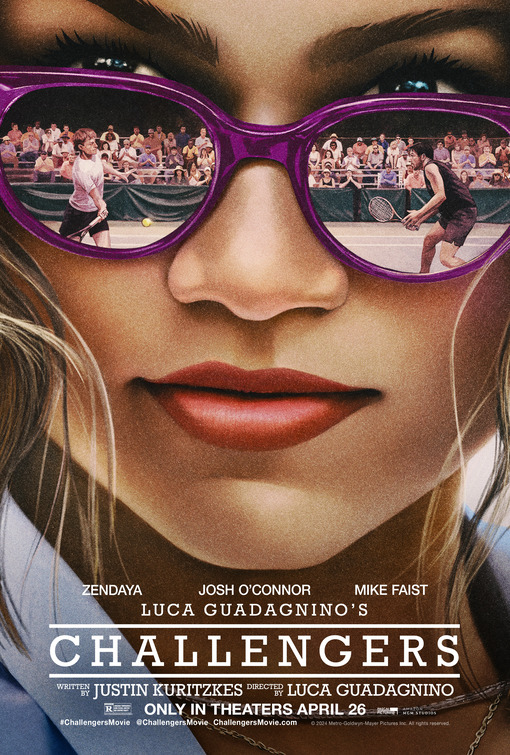
8. Challengers
How does it feel to be drunk on the enthrallment of others only to turn around and realize they’ve discarded you for their own fulfillment? There is a sense of respect that comes natural to rivalry, and in the confines of that respect, a rival’s wellbeing matters. It may, in fact, be the most important relationship in life, but only in the confines of rivalry and the space it occupies. For Challengers, that space is tennis, and when Tashi Duncan, Patrick Zweig, and Art Donaldson first met, tennis was the air they breathed and lived in.
When that space becomes the only space, relationships and boundaries tend to morph around it, and rivalry, friendship, and desire are very thin boundaries. The highs of competition are sexy, unique, and dangerously addicting. It’s not hard to see how Tashi, Patrick and Art become so infatuated with each other. As abilities shift, however, so do most people’s priorities. Patrick’s love of tennis morphed into a love of status, financial, and sexual benefits that being good at tennis provided, and when a prime athlete takes their eyes off the game, their abilities are the first to go. Soon, out of necessity, those priorities shifted to tennis as a means of survival, desperately clinging to the need to make pro, if only in order to live.
Art’s love of tennis likely always came in second to his love for the people he associated tennis with and to the stability tennis provided. He loved tennis because it allowed him to be with his friends, and later his girlfriend and wife. It’s probably why his abilities were found comparatively lacking at first, only blossoming once Art recognized their necessity in keeping his loves close. But at some point, the game which provided the vehicle to achieving the stability and relationships he wanted became, in some ways, the barrier driving them apart.
Tashi’s love was always tennis, and other lovers were mediums through which she could experience it once the direct ability to play was taken away from her in a tragic injury. Her feeling’s for Art and Patrick seemed to ebb and flow with their abilities and their attitudes toward her own abilities. Time and again, in the match between tennis and the people in her life, tennis takes the trophy.
Challengers is an encapsulation of the constant volley of the relationships, priorities, and attitudes between these three people over the course of a decade all climaxing in the outcome of a single match. It is beautiful, thrilling, joyous, stressful, and a fantastic time.
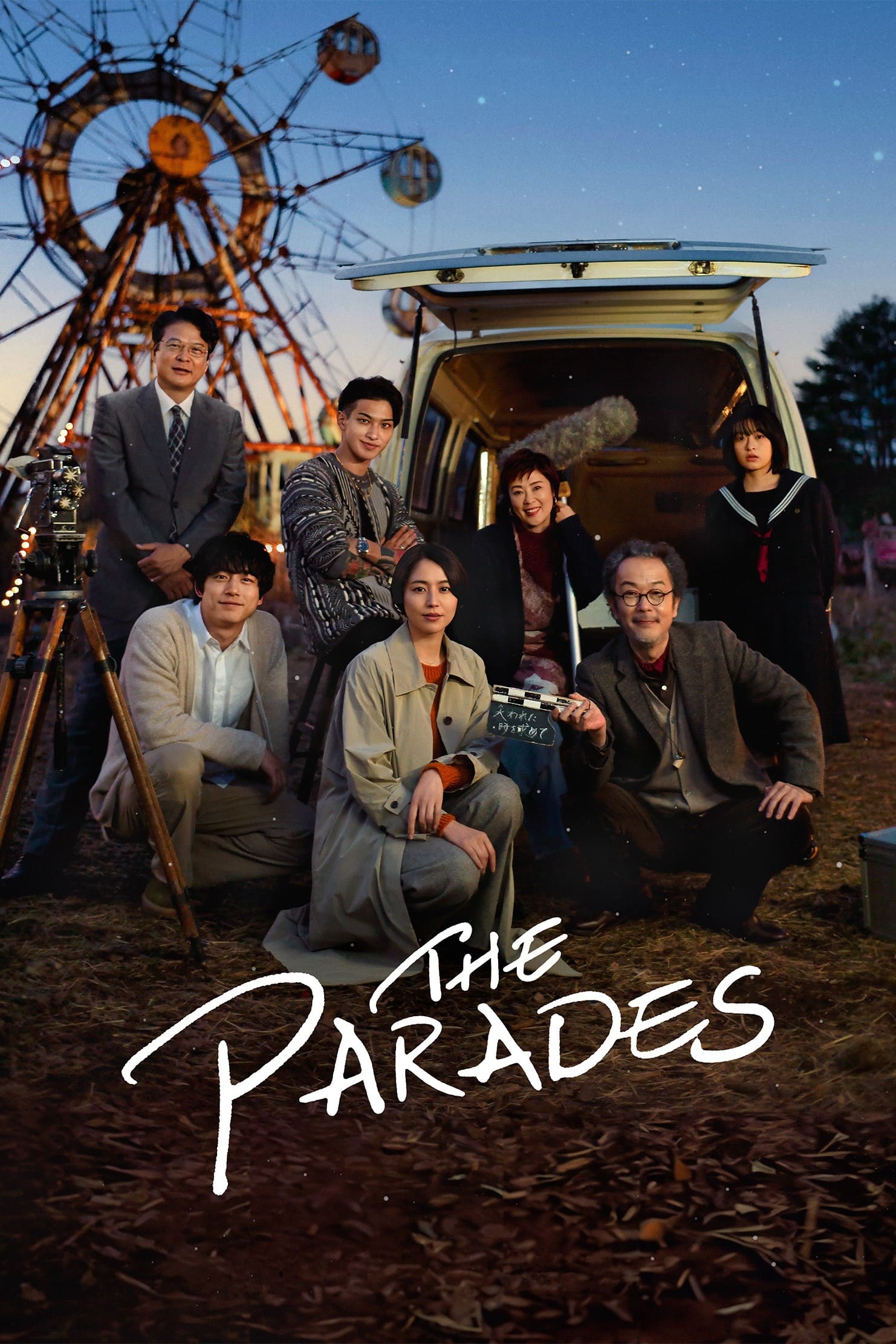
7. The Parades
The Parades can best be summarized as a spiritual successor and homage to Hirokazu Kore-eda’s After Life (1998). Director Michihito Fujii is not Kore-eda, and this film does not approach my favorite films of all time as After Life does, but The Parades is still a beautiful tribute and a moving depiction of the sense of unity form around death, creation, memory, and what/who we leave behind through the vehicle of a fleeting afterlife. Since I was a young adult, books like Neal Shusterman’s Skinjacker Trilogy and Scythe series, and later the works of Kazuo Ishiguro always left me fascinated by the nature of memory as we grow and change, particularly upon reflection in the setting of a temporary afterlife. I haven’t quite been able to pin down why that is yet, but needless to say, The Parades lives right in my wheelhouse.
Led by an ensemble cast of brilliant performances, particularly from Masami Nagasawa and Lily Franky, The Parades is a very messy film. It has an unearned runtime of 2 hours and 12 minutes and is heavily dragged down by superfluous lingering in meager moments. It tries to treat each member of the ensemble, each lost soul in the afterlife, with equal respect and attention, but fails to live up to its ambition, instead feeling unfocused and straying away from its core values too often.
But still, my eyes welled up during its most beautiful moments, the prime example being the titular parades themselves. In The Parades, souls unable to move onto the afterlife due to lingering feelings and affairs are stuck on Earth, able to see but unable to interact with the living. For many individuals, they remain stuck in this purgatory out of a sense of concern for their loved ones who are still living, but don’t know where they might be or if they’re alive. The parades are a regular time each month when everyone gathers together in search for information on each other’s loved ones portrayed through a wondrous combination of sadness and beauty as thousands of troubled souls holding flashlights and lanterns walk through the streets at night calling out the names of the people they love. It was one of my favorite scenes of the year.
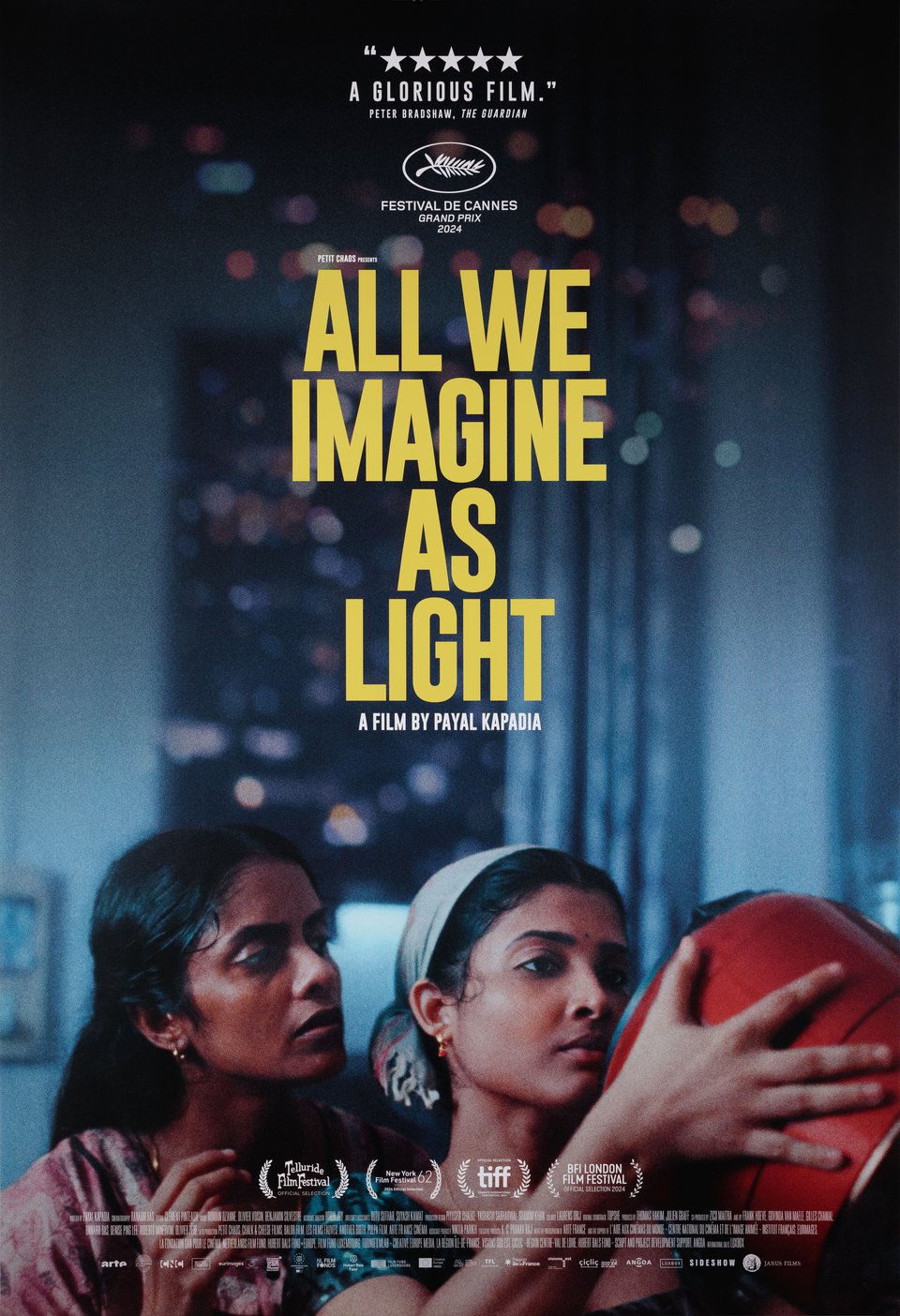
6. All We Imagine As Light
As my writing and attitudes toward art have evolved, I’ve come to realize the bulk of my interest in the nature of craft and process is only in how they lend themselves to powerful, unique, and substantial storytelling. I am interested in their powers to move me. Consequently, my writing has shifted to focus primarily on how and why a story is able to move me through the lens of narrative, theme, characterization, context, and emotion, and less on the more technical elements involved.
Most of the time, I like the way my style has turned out, though sometimes I am left feeling like a bit of a dunderhead in relation to my more articulate and knowledgeable peers. All We Imagine As Light is one of those times, because even as I have difficulty finding the words to express how or why, I can see how embedded and considered every aspect of the filmmaking craft is as they lend themselves to the overall shape of the film.
There are many films about Place. Countless where the setting is the main character. All We Imagine as Light is the best such film of 2024 because of the ways it breathes life into the city of Mumbai. The city is claustrophobic and constricting. When we first meet Prabha and Anu, they seem caught up in an endless treadmill of hustle and routine. It’s as though everyone has to physically grab hold of the space they’re occupying or else get swept up in the tide of an endless sea of people.
For Prabha and Anu, it starts with the space they live in, as rent and living expenses always occupy an active part of their minds, especially as some of their colleagues at the hospital are getting pressured to sell their homes, break their leases, or are getting evicted. There are predators in this expansive sea of Mumbhai, draped in shadowy lighting or the allure of advertising. It’s shown the recesses and corners of the streets Prabha and Anu pass by on the train or walk down on the way to and from work. It’s shown via construction equipment on the edge of a frame, billboards looking down upon crowds or high rise buildings in the distance. It’s shown in the places Prabha and Anu choose to travel and also to avoid. But the city is full of beauty as well, and it’s that beauty that largely occupies the center of every frame. The lights, colors and sounds of the city All We Imagine as Light are constant reminders that the dangerous can also be beautiful.
When Prabha and Anu are in frame, they must seize it, their lives commanding our attention, lest their stories be lost to Mumbai, and through the performances and the characterization, they definitely accomplish that feat. There's so much significance to the film I still don't think I understand, but I can see the intentionality in every choice even if I don’t understand it. There’s a film every year that I find myself completely immersed in and as the credits roll, I sit in stunned silence and let out a big sigh knowing that the film will live in the recesses of my mind forever but not always knowing why. It was the most complex movie of the year for me and had so much to say about who, how, and why we love from a perspective we are not often able to see.
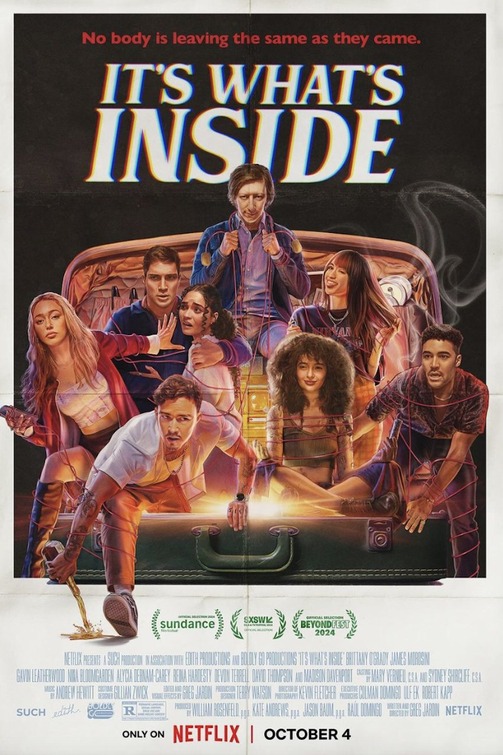
5. It’s What’s Inside
I won’t say much about this movie because I think its enjoyment and its brilliance lies, in part, with a lack of knowledge about the film’s central conceit before watching. All I will say is that It’s What’s Inside is a special cocktail of personal discomforts seemingly personally tailored to me and a complex, core fear of mine: The fear that I am not myself.
For many though, it will be a well-made, fun, modern horror movie about a bunch of late twenty-somethings playing a game in an isolated location when something goes wrong. Still, something about the unique combination of vain, instagram-filtered aesthetics, the game night inciting incident, the ugly conflicts that arise in social deduction settings, and the piercing anxieties of the core concept was particularly affecting for me.
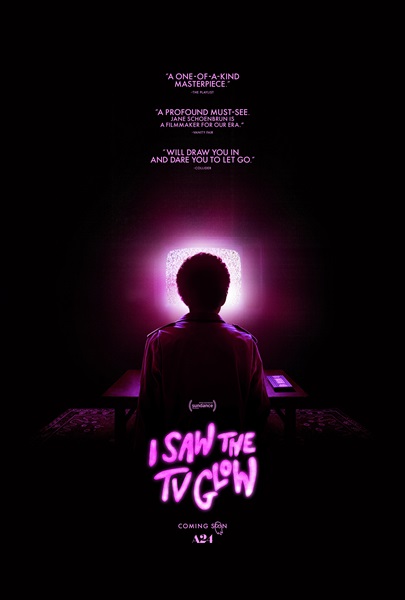
4. I Saw the TV Glow
I Saw the TV Glow was another film that left me in a stunned silence once the credits rolled and has been living in my mind ever since. At its core, it is an incredibly powerful transgender allegory that I think is best discussed in the writings of Black, transgender, and other marginalized critics, and I encourage anyone reading this to go read them, especially reviews that aren’t entirely positive. There are so many voices that help shed light as to how moving this film is, but also the limits and the dangers of expecting just one film to capture all of the nuanced and complex emotions centering around an entire identity and the fears of coming out, nor should such expectations be placed on any one movie.
Instead, I am going to discuss a tertiary theme of the film that heavily contributed to why I Saw the TV Glow still occupies my mind and why I left with a deep appreciation for the movie. There is a central conceit of this film that has to do with the fact that it is ultimately up to you to escape the confines of your own circumstances, no matter what those around you do or say that may help you along or guide you in the right direction. As supportive an abstract community can be, such monumental decisions in people’s lives often carry a sense of loneliness and isolation. Communities, especially online ones, are not living life with you all of the time. They may provide a safe space to speak, to feel, to escape, but they cannot help you actually live.
I know this. I understand this.
When I see Maddy make a decision that Owen/Isabel cannot, and when I see that decision take Maddy in a life direction far away from her, I know that Maddy should not have to suffocate herself because Owen cannot take the steps to break free, to be open, to accept herself. I know this, but my heart still breaks. She can’t make that sacrifice. No one should have to make that sacrifice.
But… she left.
Maybe a lot of this goes back to times in my life when people have needed me and I could not help them because I did not have the financial resources necessary to physically be there for them. Maybe it’s about times where I looked for help and found silence without knowing why. I hope times I asked for help weren't construed or didn’t necessitate me asking for sacrifice. I wish I sacrificed a little more to have been next to others during their times of need.
Sometimes the greatest need of all is for someone to stay, to be next to them as they fight on their own. It is a personal qualm I have with I Saw the TV Glow and with Maddy as a character, but it’s also the reason the film may always stick with me. Maybe the experiences of Schoenbrun and other transgender individuals echo the idea that no one can stay when no one else knows. Perhaps because Owen’s gender dysphoria and gender identity are never spoken, even with how explicitly they’re shown, no one is able to remain by her side, but I am not sure I believe that. I think there is power in staying close even without knowing the battle someone’s going through.
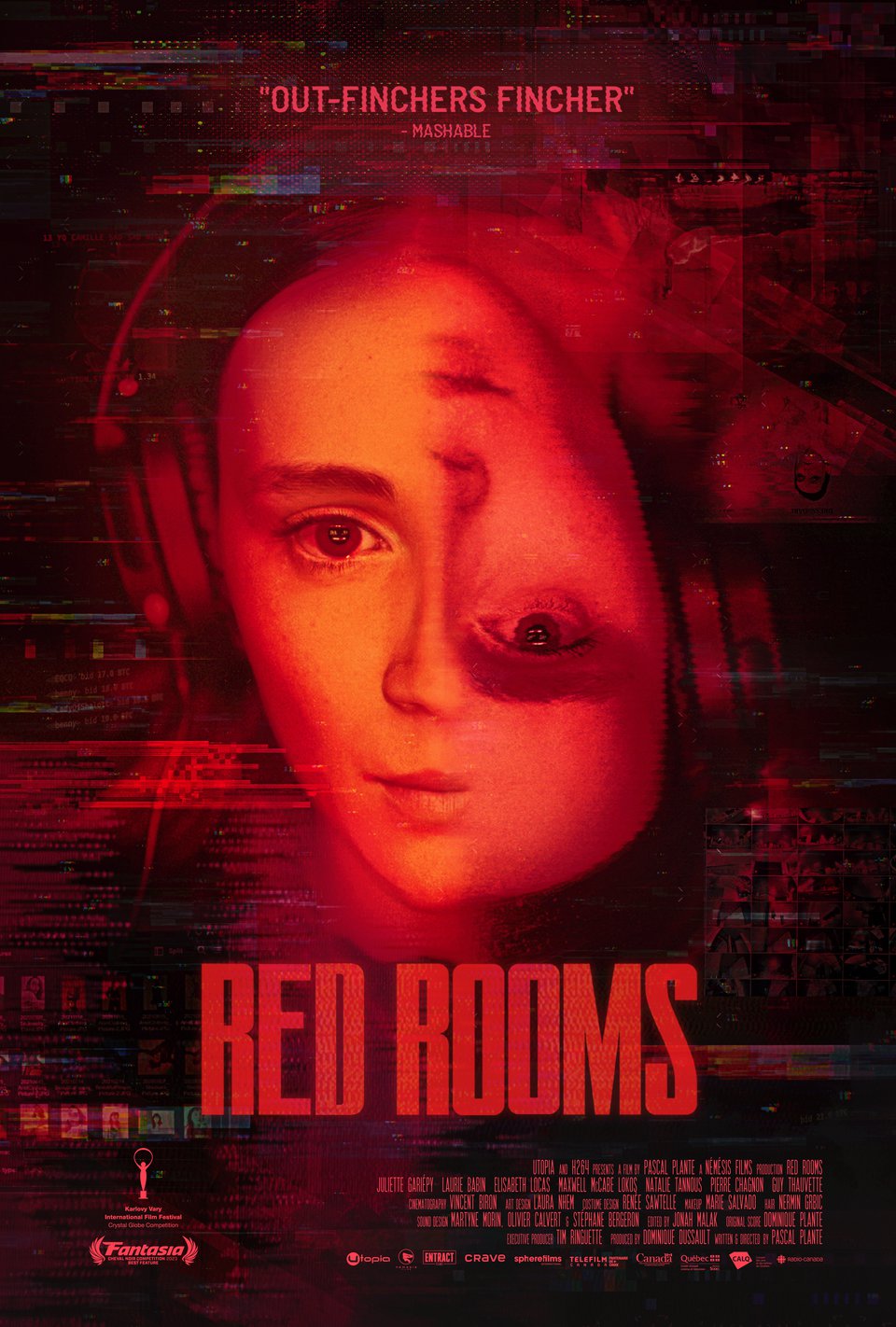
3. Red Rooms
Red Rooms is a display of the sickeningly explicit actions of the obsessed melded together with horrific obscenities only alluded to via screens and virtual activity. The film opens in a sterile, white courtroom as a murderer who has brutally mutilated three teenage girls is put on trial. The violent acts themselves are only described, never shown. Sometimes the edge of a crime-scene photo will leak into frame, or the camera will pan across them from a large distance, but there’s never a space and time where you’re able to see these heinous acts for yourself which only heightens the cruelty in your mind. At the same time, the young woman watching the trial whom the camera appears to focus on seems extremely normal in comparison. Maybe someone with a mild fascination, but even more than normal, she seems… cool. After the trial is over she goes home to her small, but sleek and someone lavish apartment, reschedules a modeling shoot, works out, and casually wins quite a bit of money playing online poker. Kelly-Anne is a woman who seems, at first glance, to have life effortlessly figured out, but then, late at night, she goes back to the courthouse? That’s odd. Then she sleeps in the alleyway? That goes a bit beyond mild fascination. Still, even as her behavior crosses the line into obsession, her attractiveness, intelligence, and straightforward demeanor crafts a character that is puzzling instead of disgusting, especially when compared to Clementine, another obsessed fan with nothing figured out who comes off much more like a desperate groupee.
Red Rooms is a film about obsessed, deranged, fanatics parasocially drawn to atrocities with real victims and real people; circling, discussing, steering the dialogue as if it were a game. Still... we... I... am over here captivated by the film as I watch these people, this person, descend into such an insidious delusion.
I am not her, of course, and implying all that is explicit while demonstrating all that surrounds is the most intentional choice this film makes. It provides a certain distance from the violence, lets the mind wander, and also gives me some level of plausible deniability as I remain glued to the screen despite the awful acts being described. Still, we… I... watch Red Rooms… Kelly-Anne… unravel with eyes wide. So what does that make me... us?
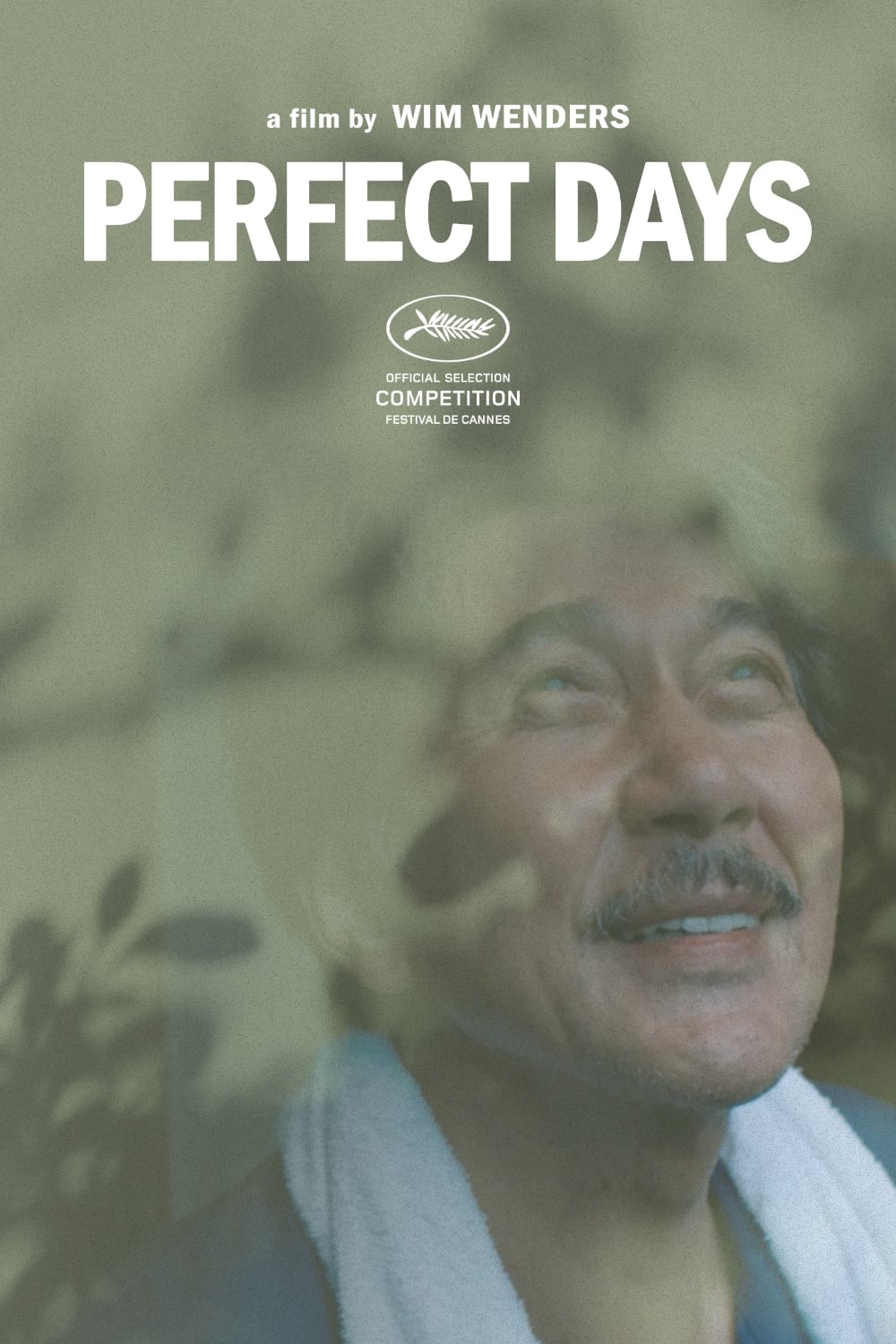
2. Perfect Days
I enjoy routine. Despite having a fair amount of freedom to work my own hours, keep to the same schedule as much as possible. I rigidly structure my meals and my media consumption. There’s nothing more comforting. I love smallness and incrementalism. I was able to learn photo editing in 2024 because I watched one youtube video a day for 87 days straight. I achieved slight physical fitness gains not by adopting an intense workout regimen, but by working up to 15 min of deliberate and specific physical activity every day and keeping weekly activities of intense physical activity in my schedule. There’s nothing better than trusting the process for an extended period of time until I’m caught off guard by the distance I’ve traveled from my past self.
And yet, I also love that which is new; that which moves forward. All of my struggles in remaining content with incrementalism have to do with how static life can appear in the present moment. When I read, watch, or listen to something, unless the work profoundly changes me, once I have felt what the work has to offer, I must move on. My search for something new never ceases.
Hirayama’s routine is simple and analog. He works as a janitor cleaning public toilets around Tokyo. He loves gardening, film photography, reading one physical novel at a time, and collecting a modest amount of cassette tapes. My routine is complex and digital. I work remotely on the computer as an engineer and software developer. I love reading books and comics, watching films, playing video games, taking editing photos, and suboptimally learning Japanese. Hirayama’s routine is slow and laborious. His line of work is considered by most to be undignified, but it provides him with the means he needs to live, and he carries it out with a lot of dignity. It takes a lot of patience and care to grow planets over the course of years. In film photography, there’s no immediate feedback. Hirayama takes a roll’s worth of photos, drops them off at the store to be developed, and picks up the photos from the roll he dropped off the week prior. It is likely that 90% of them will fail to capture the beauty he is looking for. My routine is fast and often easy. Most of my hobbies provide immediate feedback, and I am always moving from one thing to the next.
It is easy to start drowning in routine; to become lost and swallowed up in the consistency.
Even then, when only our eyes can stay afloat above the surface, it is important we still see the entire person whenever we interact with someone. Afterall, routine is often solitary, but people should always take priority. Even when the language is no longer translated, we still understand. Nods and gestures from a distance are enough to convey acknowledgment and respect. People politely collide into our lives and continue on their way, not knowing that they have forever altered our trajectory.
Do my eyes light up at the subtle affections of another? Is my past made too transparent through disruption?
A film which revels in silent beauty inspires me to say so much. Please watch Perfect Days if you can.
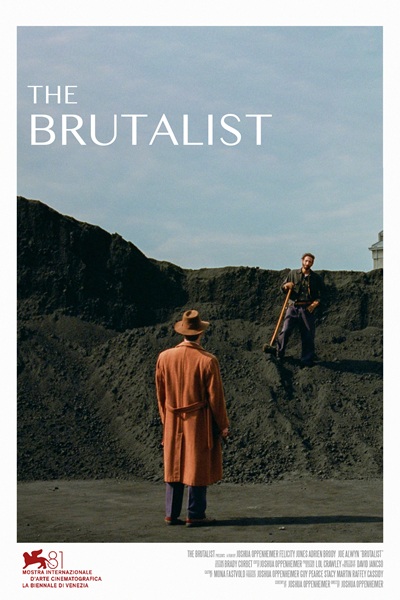
1. The Brutalist
What does it mean to endure in the face of erosion and erasure as protest? That is the question brutalism and The Brutalist are attempting to answer. It is the man, László Tóth, it is his work, and it is the film itself. The Brutalist is the story of a man whose architectural style, whose faith, and whose immigrant background is constantly being pressured, grated against and sanded down by the words and actions of those around him as he fights to grab hold of the elusive inspirations in is life: His wife and his designs.
I think I’m starting to develop the belief that a (not the) pinnacle that art can reach is when it is able to materialize the life of a fictional person before your eyes and ears and it feels indistinguishable from the real thing. Spanning 33 years of László’s life and 3 hrs and 35 min of real runtime (including intermission), The Brutalist certainly has enough time to do just that and manages to pull it off. There is never a doubt that the men and women we saw on screen had lives that began before the movie started and continued after it ended. It’s sincerely difficult to describe how rare it is for movies to achieve this. Characters are most often defined by their present moments and what we see them do. Sure their actions may be heavily influenced by events that happened in their past offscreen, but those tend to have little relative impact on our perceptions of them compared to what we are actually there to witness in the theater.
This is not so with László, Erzsébet, or the rest of the ensemble. Their experiences during the Holocaust and their Jewishness have profound impacts on every decision they make, that is always apparent, and yet we do not see those events/attributes develop in the film itself.
The brutalist style of architecture is often found to be aesthetically ugly, atmospherically depressing, and commercially unappealing. And yet the buildings persist, they live on as battles are fought and as regimes fall. Their occasional destruction has to be done deliberately, as structural harm resulting from collateral damage can often be repaired. These buildings may experience weather, wear, desecration, or vandalism, and still they remain. Is this not how America treats immigrants of backgrounds we consider as “other”? Is this not the reality that undocumented workers must face in the United States? László was certainly treated this way, and still he persisted. Brutalist buildings are often considered sincere and honest, after all, they are structures reflecting the purpose of what goes on inside laid bare. They contain little color or flourish. They exist for function. Frankly, as László struggles to survive in America and to make a living at all, much less doing what he dreamed, he cannot exist for much else other than sincerity and function either, as much as he tries to once Erzsébet is able to join him. This is in great contrast to the likes of Attila and Harrison Lee Van Buren who are full of aestheticism (in the form of charm) and flourish but, in turn, have sacrificed core elements of their identity and carry little to no sincerity.
I think that The Brutalist has almost instantly made itself into a quintessential American film and is able to poignantly hold up a mirror reflecting back at the country and displaying its flaws. America may have come far, but it certainly has a long, if not longer way to go until it reaches the all too important destination of what it aspires to be, and the whole time there is a population that will fight and will endure as protest. I am trying to live a life that will one day allow me to look back and say I was part of that population, or at the very least that I helped that population. I hope others do the same.
Those were my top ten films of 2024! There are an incredible number of gaps from last year that I hope to see one day, but for 2025, I simply have the goal to stick with the number of films I’ve been watching, and to continue to improve at writing about film.